
There is absolutely nothing I hate more than being terrorized by pesky mosquitoes. These small yet 100% evil insects are also quite picky when they choose their victims. When I was younger, my brother and I would come home with several mosquito bites, while my mom (who was also outside with us) came home with 2 at most. She would joke and say “oh, it’s because you guys have sweeter blood”.
It wasn’t the “sweetness” of blood that would attract mosquitoes. It was actually the smell of sweat, CO2, and a few other characteristics that made us delicious targets.
The olfactory receptor, Ir8a, on a mosquito’s antennae detects the lactic acid in human sweat. But before the mosquito can detect the lactic acid, it is drawn in by CO2 more than 30 feet away. People emit CO2 as they breathe out and their CO2 levels can increase if they were exercising or they’re pregnant. Initially, the mosquito follows the CO2 trail, and then chooses a human host by the human’s distinct odor. The human odor is a complex mixture of volatile chemicals including lactic acid, ammonia, and ketones which separate us from other vertebrae hosts.
Researchers have also noted that body heat, being in motion, and wearing dark colors activate the sensory receptors on mosquitoes when hunting for their hosts. Mosquitoes also tend to avoid individuals with bacteria on their skin. I was surprised to find that it is the female mosquitoes who seek out human hosts. Do the male mosquitoes just wait for their queen mosquitoes to mate and breed more evil into this world?
When the mosquito finally lands on the surface of the skin, it can “taste” the skin with its legs which helps it decide just the right spot to bite. Majority of mosquito bites tend to be itchy in nature. If there are several mosquito bites by the same mosquito on the host, there is an immediate response within 30 minutes that causes the bites to be itchy, red, swollen, and warm. It was noted that female mosquitoes who bite their hosts after their salivary ducts are cut off do not warrant an itchy reaction, but can present as a pruritic bump on the skin.
The pathophysiology of the itching nature of mosquito bites is believed to be 3 pathways including histamines, hypersensitivity, and inflammation. The histamine pathway is activated when the anti-histamine receptors bind to the histamine found in the mosquito’s saliva. The IgE receptors are activated and produce mast cells to eliminate the toxic componenets of the mosquito saliva. The IgE hypersensitivity response is a key component is protecting the body against pathogenic mosquitoes. The mast cells release the histamine and tryptase receptors which also produce the itching sensation. The last aspect of the pathway closes the cycle with inflammation. When the IgE begins producing mast cells, those cells then locate to the source of the insect bite. The inflammation is in response to production and increase of immunological cells sifting through the saliva to make sure there are no harmful components entering the body.

source: science direct
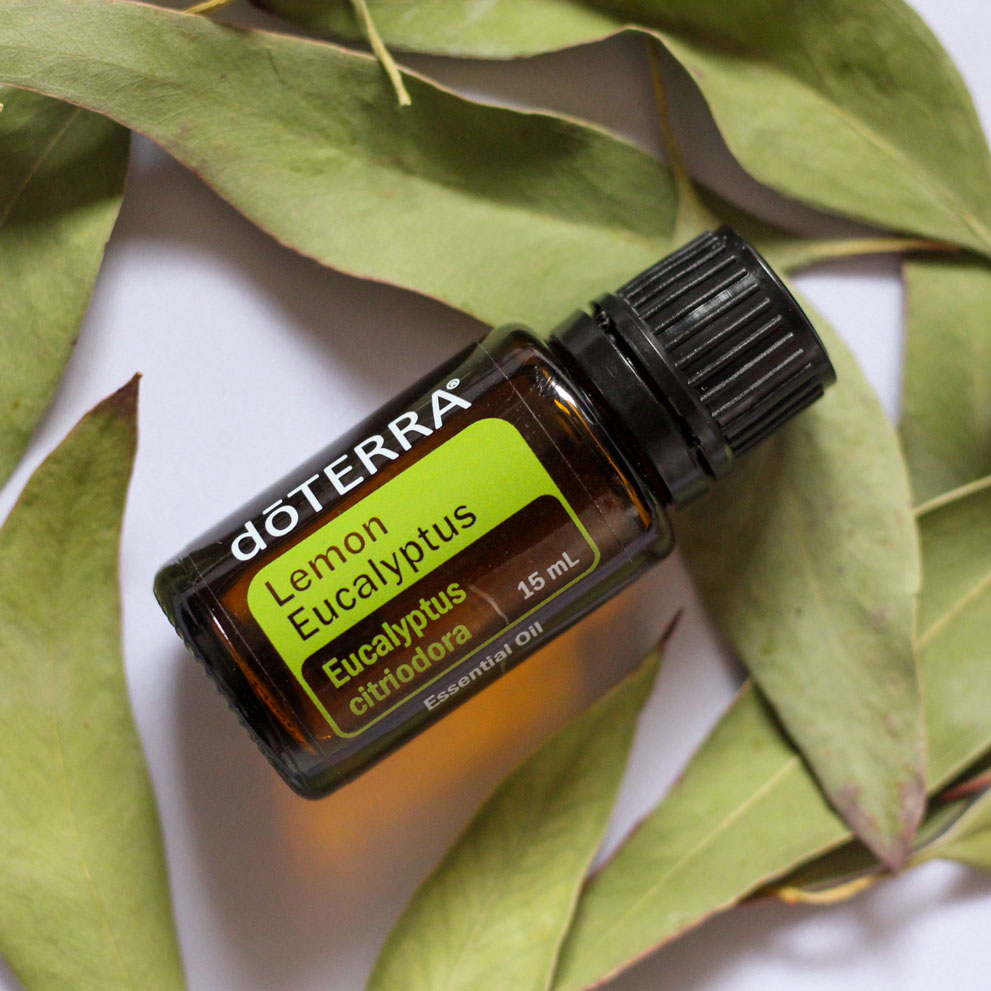
The best way to avoid mosquito bites is to spray on a chemical agent that inhibits the lr8a receptor, such as DEET. This popular agent is found in common bug sprays such as OFF! and Repel. Individuals who are not keen on chemicals can choose a natural remedy, oil of lemon eucalyptus (OLE). Be sure to avoid scratching an itchy bite as it can become infected. Anti-histamines such as Benadryl and over the counter anti-itch creams can help individuals sensitive to insect bites and to relieve the discomfort. In addition, individuals can apply ice to alleviate the heat and reduce the inflammation. It is advised to wear breathable fabrics in the heat to reduce body moisture and as well as wear light colored clothing as mosquitoes are attracted to both moisture and sweat. Maybe even rethink opening up a beer on the patio…seems like these mosquitoes enjoy beer too.
Cheers to all my fellow mosquito magnets. May our battles with mosquito bites end gloriously well.
References:
Greenfieldboyce, Nell. “How Mosquitoes Sniff Out Human Sweat To Find Us.” NPR, NPR, 28 Mar. 2019, http://www.npr.org/sections/health-shots/2019/03/28/706838786/how-mosquitoes-sniff-out-human-sweat-to-find-us.
“How Mosquitoes Smell Human Sweat (and New Ways to Stop Them).” ScienceDaily, ScienceDaily, 28 Mar. 2019, http://www.sciencedaily.com/releases/2019/03/190328112541.htm.
Raji, Joshua, et al. “Aedes Aegypti Mosquitoes Detect Acidic Volatiles Found in Human Odor Using the IR8a Pathway.” Current Biology, 28 Mar. 2019, cell.com.
 Med Thoughts